 In 2010, there was a very large and coordinated push by the nation's largest environmental groups and President Obama to get climate change legislation through Congress. Even with a "Democratically-controlled Congress" it failed.
Four years later, the president has ditched Congress and is resorting to his executive authority under the Clean Air Act to initiate a cap and trade system for CO2 that reportedly will demand a 30% drop in emissions from 2005 levels from the country's existing power plants. There are lots of potential land mines in this approach – if it can survive the gauntlet of legal challenges form industry. And if it does?
"It's going to be like eating spaghetti with a spoon. It can be done, but it's going to be messy and slow," said Michael Gerrard, director of the Center for Climate Change Law at Columbia University.
As for Big Green, it's discovered that DC lobbyists and think tank policy analysts do not a movement make. Prompted by their own failure, a soul-searching New Yorker article in 2013 questioning the wisdom of a corporate-like top down approach, as well as new groups that were filling the vacuum of leadership – like the more radical and highly decentralized Keystone campaigns, a change in perspective begin to occur.
“The national environmental groups said, ‘We need to do more in-your-face activism,’ ” said Gene Karpinski, the president of the League of Conservation Voters. “You can’t just lobby members of Congress with a poll that says people support you.”
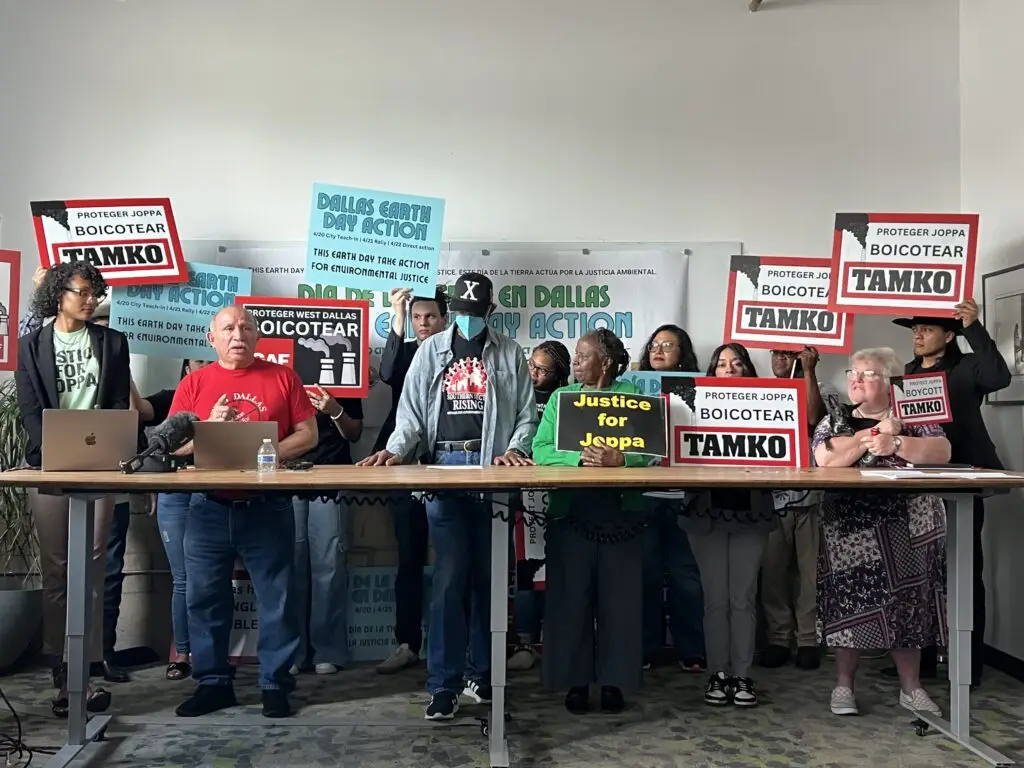
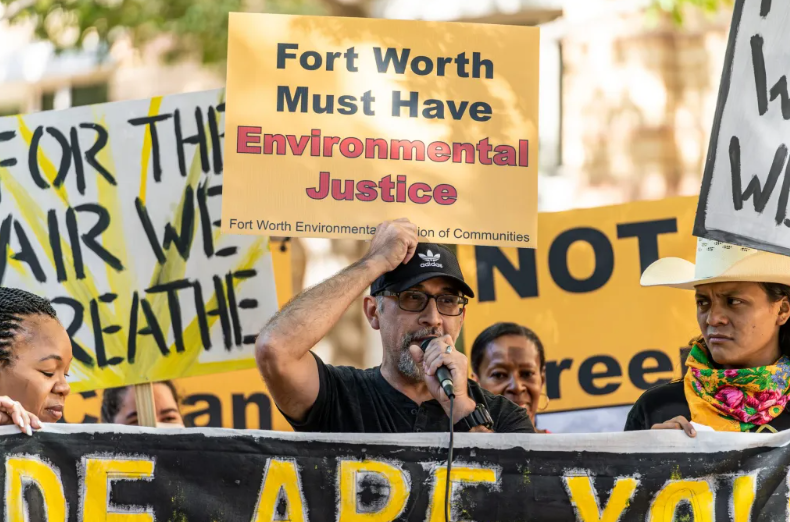
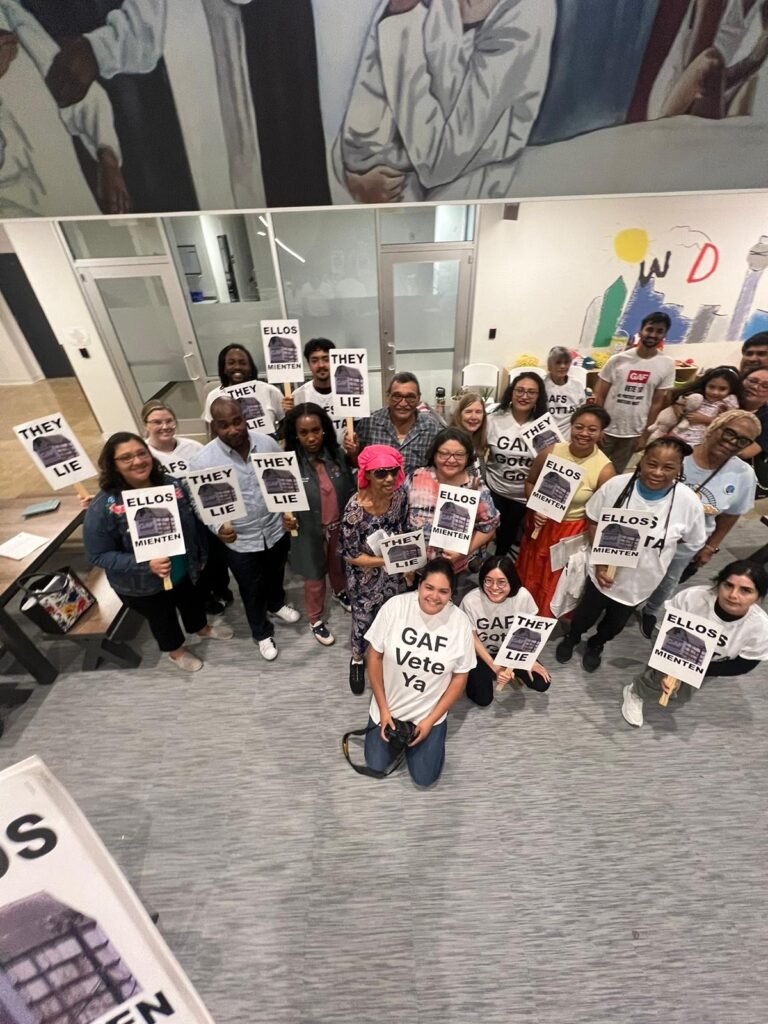
As a result the big groups have re-tooled to catch-up. They're now sponsoring more direct actions, including divestment campaigns at universities, and public protests, as well as spending big bucks in targeted state elections. They're decamping from the Capitol and spreading out their resources. In doing so, they're building new organizing models for themselves, models that take cue from smaller, more dynamic, more effective grassroots groups. It's a change for the better.