
Downwinders at Risk has been powered by one unshakeable belief: real change starts from the ground up.
Our history is a testament to the power of community, telling the story of neighbors standing together to demand clean air and environmental justice. This legacy of people-powered advocacy is who we are.
We believe everyone has the right to a healthy community. Downwinders at Risk mobilizes North Texas communities to fight for clean air and environmental justice through grassroots organizing, education, and advocacy.
For decades, low income communities and communities of color have borne the brunt of pollution, climate change, and environmental neglect. We exist to change that.
Founded in 1994, Downwinders at Risk grew out of grassroots resistance to environmental harm and harms to public health. What began as a local effort has evolved into a powerful movement for justice that spans neighborhoods, cities, and generations.
Through organizing, education, advocacy, and legal action, we are moving to secure cleaner air and stronger protections for our city.
Today, we remain committed to the same principle that sparked our founding: Environmental justice is civil right.
A group of determined residents in Midlothian, , led by Downwinders Founder Sue Pope, tired of the toxic air from a cluster of nearby cement plants, came together to form Downwinders at Risk. They waged a 13-year campaign to stop the burning of toxic waste at the largest cement plant in the nation (TXI-Martin-Marietta), and accelerated the modernization of all three Midlothian cement plants. This marked the beginning of a meaningful reduction in air pollution emitted because of the new pollution controls installed and an organized, persistent fight for environmental justice in North Texas.
After winning the organization’s founding fight in Midlothian, the Board determined they wanted to keep going. Downwinders became the regional expert on air quality issues and advocacy, and a resource to community fights against polluters across North Texas.
Downwinders led the fight to stop illegal gas drilling permits in Dallas by exposing the corruption underlying the agreements, and by educating policymakers on the environmental health consequences of gas drilling.
Prior to the 2016 election, we were working on reducing regional ozone and haze issues. After the election, we strategically pivoted to hyper local pollution reduction in Dallas’ most polluted neighborhoods. We knew the State and Federal government would not be viable collaborators. In turn, we focused on city-level advocacy opportunities, like stopping the expansion of industrial polluters in Southern Dallas, the closure and cleanup of Shingle Mountain, and targeting legacy mega polluters through zoning reform. The Board of Directors became majority women of color at this time and in 2021 we codified in our bylaws the commitment to racial equity through ensuring a people of color majority on our Board and Staff.
In partnership with the University of Texas Dallas, we launched our public air pollution monitoring network by placing monitors in Joppa and by making our dashboard accessible to the public. Anyone can see real-time air pollution data and make informed decisions about their pollution exposure. The monitors have been critical in our advocacy to demonstrate the high levels of pollution exposure already in neighborhoods that are often targeted for further industrialization.
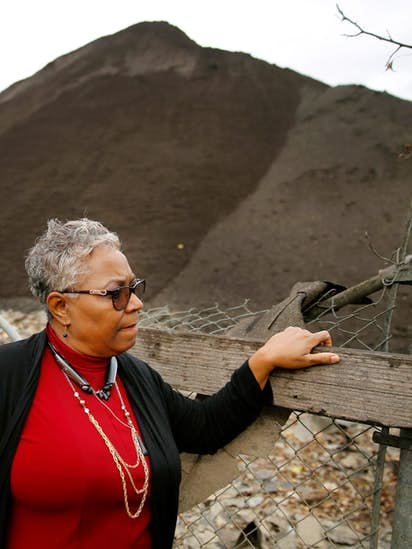
In December 2018, we were recruited by residents in Floral Farms to shut down and clean up a 100,000-ton mountain of illegally dumped roofing shingles. After a three year campaign, we successfully forced the mountain to be moved by the City of Dallas. The neighborhood was then rezoned to remove industrial zoning per their neighborhood plan which we helped them draft in 2025. Floral Farms is the first environmental justice community in Dallas to remove industrial land uses and zoning through our Neighborhood Self-Defense Project.
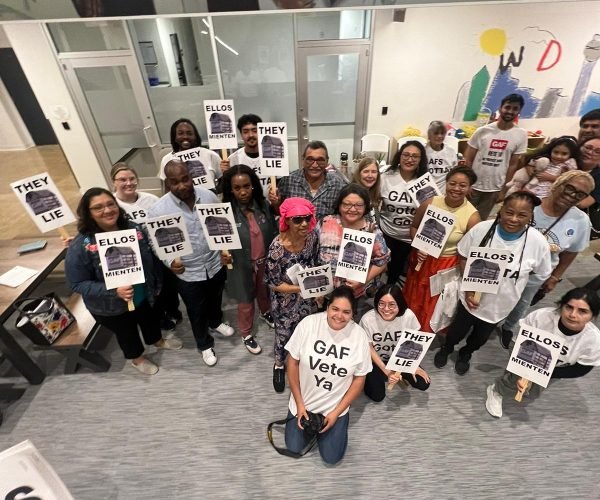
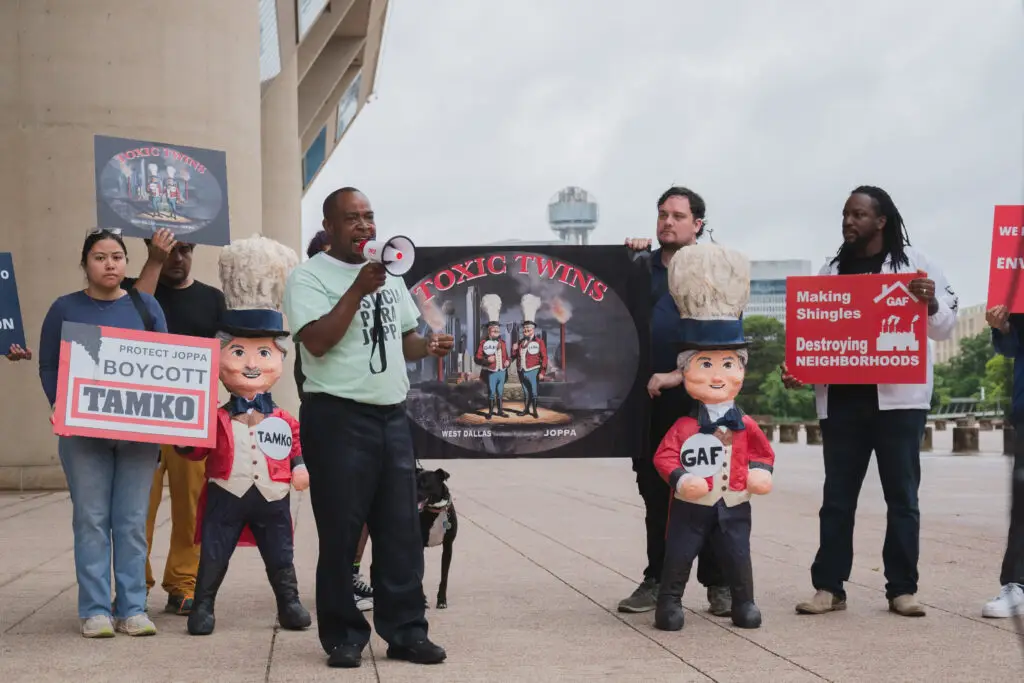
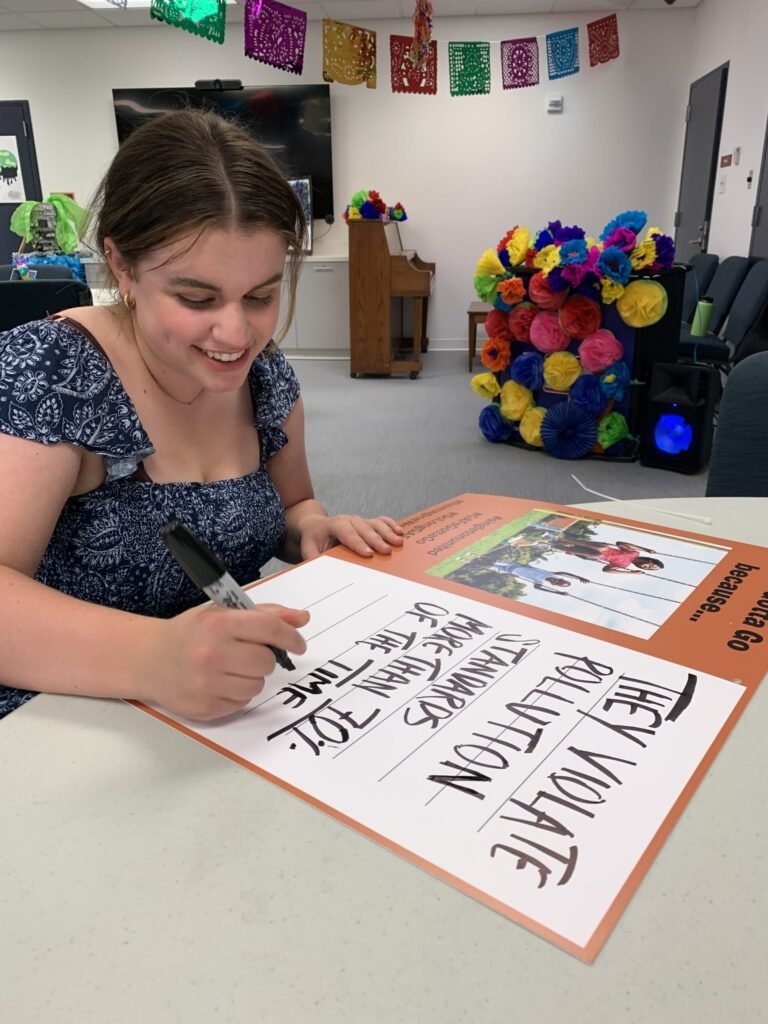
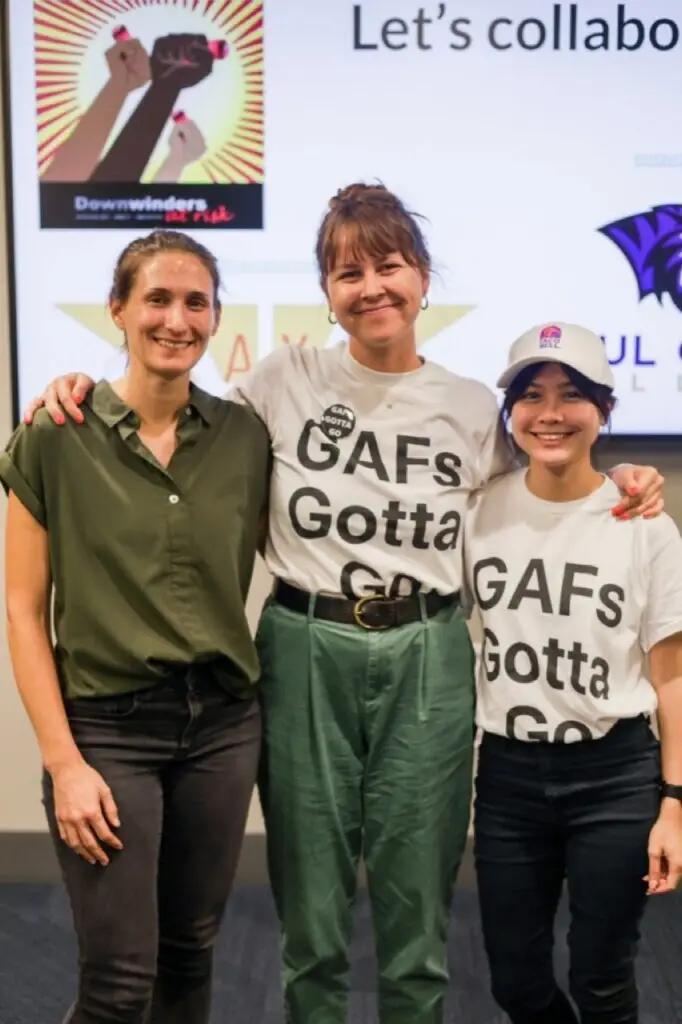
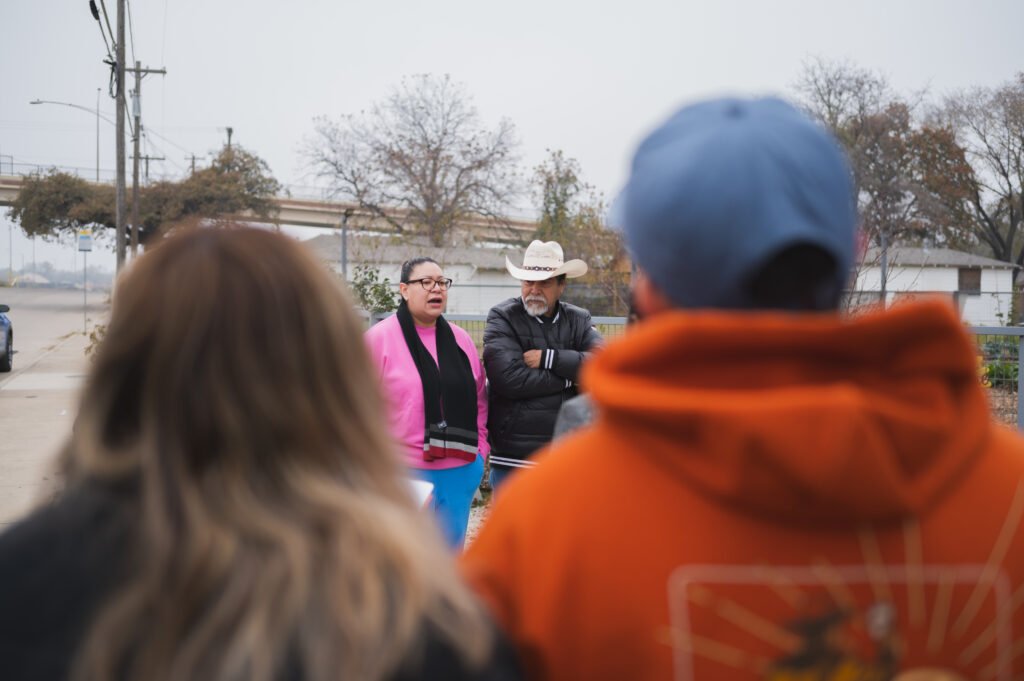
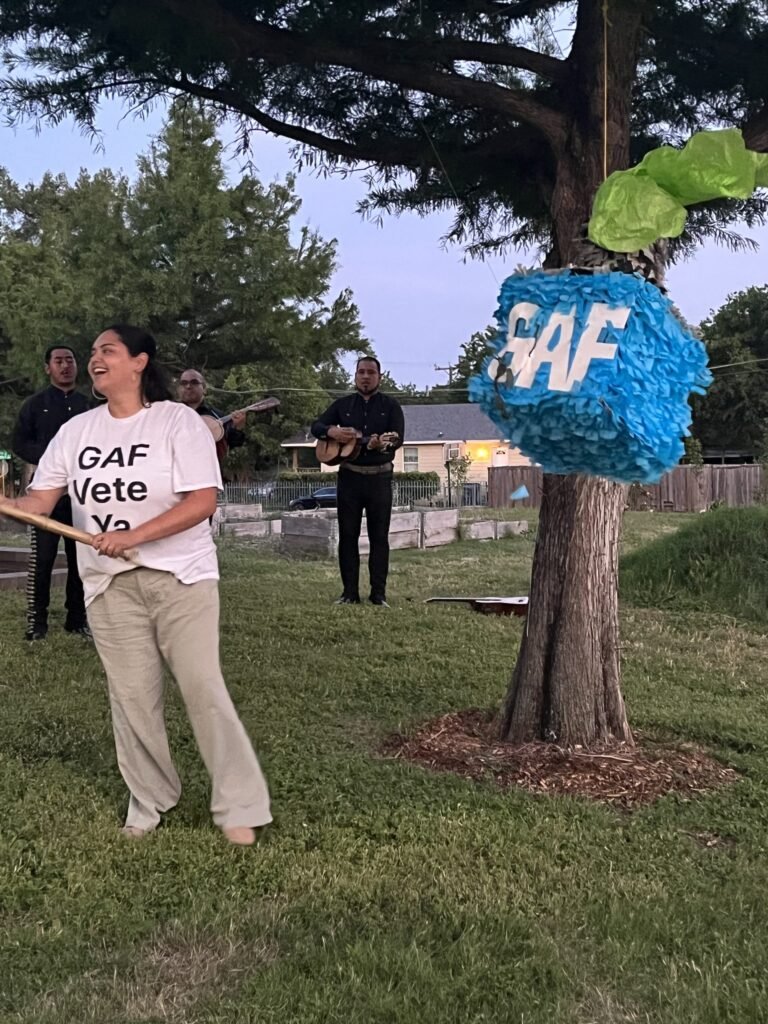
Off the heels of the successful Shingle Mountain fight, residents in West Dallas sought our help to deindustrialize their neighborhood, first targeting GAF, a shingle factory and one of the largest polluters in the city of Dallas. We organized frontline residents into Singleton United/Unidos, supported the launch of the GAFs Gotta Go campaign, and began the neighborhood-led planning process. Within a year, GAF committed to leaving the community by 2029, and we have continued to advocate for the quicker closure and community deindustrialization since then.
The original sin of many U.S. cities is the concentration of pollution in low-income areas and Communities of Color as part of discriminatory land use policies like redlining. Our advocacy exposed the symptom of the problem, but we want to get to the root. To take the target off the backs of these neighborhoods for further industrialization and to lay the groundwork for the removal of existing polluters, we advocated tirelessly for three years in the City of Dallas’ ForwardDallas comprehensive land use plan update. Upon adoption in 2024, environmental justice was the primary theme and all industrialized communities of color were poised for redevelopment in alignment with their vision for an improved quality of life.
Through a three-year collaboration with Texas A&M University, funded by the Robert Woods Johnson Foundation, Downwinders collaborated with Joppa residents to study the impacts of particulate matter pollution exposure on health and quality of life. This landmark study was published in 2025 and repeated in the West Dallas community. It involved resident surveying, pollution exposure tracking through our monitors and respiratory testing for children. Results indicated a high incidence of health issues, higher pollution exposures, and degraded quality of life in both Joppa and West Dallas compared to the rest of the city, state, and nation.
Today, building on decades of success, we are focused on challenging discriminatory zoning in Dallas and Fort Worth, and holding polluters like GAF and TAMKO accountable, ensuring a healthier future for the next generation. We also remain steadfast in ensuring the public has access to reliable and transparent information on the air they are breathing through our air pollution monitoring network, and by improving public processes to be more inclusive.